A Slightly Shorter Fuse
There was an interview on ABC Local Radio during the week with a pastor from a church based in Perth. The interview was about same-sex marriage and occurred to reflect the views of “the other side of the debate”, which apparently was the side opposed to legalising same-sex marriage. What irked me…
There was an interview on ABC Local Radio during the week with a pastor from a church based in Perth. The interview was about same-sex marriage and occurred to reflect the views of “the other side of the debate”, which apparently was the side opposed to legalising same-sex marriage.
What irked me most was not the biblical and theological incoherence of the pastor being interviewed, nor the lack of understanding of the impact of what was being said, nor the perception being offered that being a disciple of Jesus involves being so mean spirited.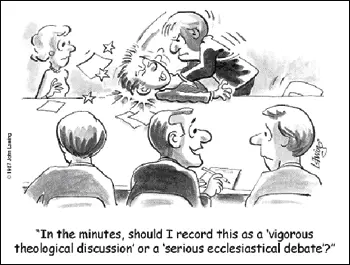
What irked me was the comment that the self-styled “evangelical” churches are more biblical than churches like the Uniting Church, because our church offers a strong voice on “social justice”. It was the idea that being socially conservative and quoting restrictive verses on personal behaviour is biblical, while advocating for justice and reconciliation is less so. I thought about ringing up, but I was driving and didn’t want to cause an accident …
When Jesus forgives someone’s sin, it’s about restoration of life and community; when Jesus talks about coming to worship, the earlier priority is to restore relationships with our neighbour, our sisters and brothers. When Jesus talks about the gathering at the end of time, the charge will be whether we clothed the naked, visited the prisoners, fed the hungry – and welcomed the stranger into our home. [Have a look at Matthew’s Gospel 25.31-46]
Does the call of the Old Testament prophets mean nothing? When Isaiah says that worship insults God because the people do not seek justice, or encourage the oppressed, when he declares that the best kind of fasting is to stop exploiting workers and set free those who are oppressed, are these prophecies unbiblical – or are they just inconvenient? [Isaiah 1 & 58]
There are clear commands about how we are to live, both in respect of our relationships with God, and our relationships with each other. We are challenged both with those close to us and how we engage in our world – sinfulness and wholeness are not confined to the minimal ambit of sexual morality.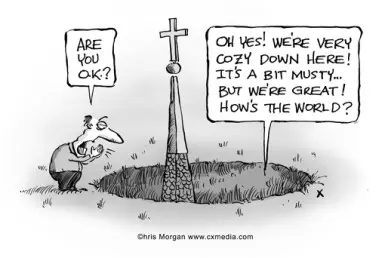
The biblical imperative seen most clearly in Jesus is to engage in our world, to meet and share meals with those with whom we agree and disagree. My views on same-sex marriage, on asylum seekers, on climate change, on domestic violence are being formed with a Bible in one hand, an IPad in the other and a gathering at the local café.
Let us approach this conversation with the same courage, grace and hope as Jesus, who approached us with courage, grace and hope.