But this …
As our worship team was preparing for this Sunday, we noted the power of the language in the book of Lamentations, which offers two of the readings for the week. Loneliness, weeping and struggle in the face of the appalling circumstances in which God’s people find themselves. They believe that God…
As our worship team was preparing for this Sunday, we noted the power of the language in the book of Lamentations, which offers two of the readings for the week.
Loneliness, weeping and struggle in the face of the appalling circumst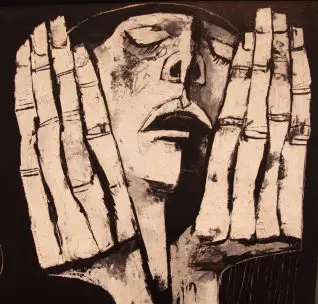 ances in which God’s people find themselves. They believe that God has placed them there, following the destruction of Jerusalem by Babylon – the location for their faith and identity is gone. The author (perhaps the prophet Jeremiah) lists their despair in a poetic catalogue of woe rarely matched.
Then there is a splinter of hope. As the prophet declares the brokenness of his soul, these words come,
But this I call to mind, and therefore, I have hope:
the steadfast love of the Lord never ceases,
his mercies never come to an end; they are new every morning …
Astonishing. When I first sang these words in a youth group decades ago, they were a lovely affirmation of God in our world, realising nothing of the despairing circumstance in which these were first proclaimed.
Everyone knows a fraction of Jewish history; I wonder how these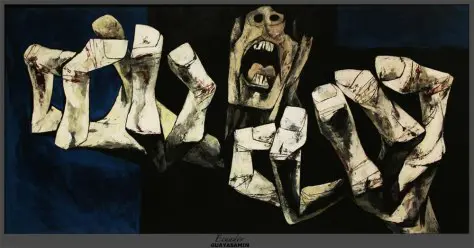 words might have been sung and affirmed across the centuries in despite of the darkness of forced migrations, persecution, pogroms and concentration camps?
It is, perhaps, the honesty of including this text which strikes me most. Only a profound faith would incorporate chapters of woe into a life story of relationship with the living God. And in the midst of the brokenness, but this…
This week and last week we talked about how we can understand and affirm our faith when we feel lost and confused in our changing world. The honesty in our conversations about same sex relationships and marriage gives me great confidence for our church. This is despite the struggle many of us have in trying to understand how our community and faith can locate themselves amidst the changes.
For some, we are being asked to change how we understand ourselves, our relationships and what our parents and grandparents knew and taught us. For some, it is part of the life we already lead – at school, university, or TAFE, in our workplace, in our family and with our friends. For some of us, “marriage” is a word which means immense amounts, and for some of us, it is just a word. For some, it is how we comprehend God speaking and acting in our world, and we cannot lightly let that go. Nor should we.
So, here we are, seeking to sing the Lord’s song in a strange land. There is a conversation in civil society which has some similarities with our faith conversation, but also many differences. The nature of commitment, covenant, relationship and marriage have been starkly changed – and often traduced – by moves in our community and a culture in which we are fascinated by the shambles of celebrity relationships and “Married at First Sight”.
As the conversation progresses, as we look to where God is calling, we may find ourselves disoriented, discomfited, or confirmed. But this we can recall and have hope, the steadfast love of the Lord never ceases.