Disciples Like Us
The latest gaffe by the Federal Treasurer, about housing affordability, was greeted with the predictable spasm of political hyperbole by politicians and the media and traditionally soothing words from colleagues like “out-of-context” and “misquoted”. A far more insightful comment was made by one…
The latest gaffe by the Federal Treasurer, about housing affordability, was greeted with the predictable spasm of political hyperbole by politicians and the media and traditionally soothing words from colleagues like “out-of-context” and “misquoted”.
A far more insightful comment was made by one social economist about the nature of wealth and the particular isolation it causes. He said that perhaps the Treasurer now largely moves in a community space where everyone he knows can afford a good home, and perhaps more. His comments are “true” in his current experience, and the experience of many around him.
Another interesting comment was that whenever wealth is challenged – the exponential increase in value of one’s property, incredible personal income, or the need to increase welfare for those who are least advantaged – the polemic response is swift.
From those forever shackled to what their wealth can buy,
the fear of lost advantage provokes the bitter cry:
“Don’t query our position! Don’t criticise our wealth!
Don’t mention those exploited by politics and stealth!”
There is a similar risk of isolation for other aspects in our community, for ourselves. As we explore together the need to include Aboriginal and Torres Strait Islanders in our Constitution, it is critical that we engage wit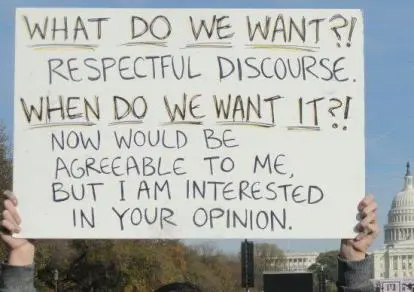 h others of different cultures as to how they understand this issue, this act of national inclusion.
The contentious discussion about “Equal Marriage” – marriage of same-sex couples – is before our community and continues to be before our leaders and our Parliament.
Our engagement with people of other faiths and cultures will declare a great deal about our understanding of ourselves. The obscene behaviour of the ISIS movement should never equate with how we treat Moslems and people from the Middle East.
As Christians, we run the continual risk of isolation, of only engaging with like-minded people of faith. We might meet others through work or community activity, but our social lives are dominated by those who think and live and worship and vote (we believe!) similarly to us.
When the Old Testament prophets cried out for financial and social justice, they called attention to those ignored and betrayed by the system. How might they cry out today?
When we consider these issues before us, have we talked with people who live and think differently? When we form our opinion about Islam and its role in our society, have we spoken to Christians who live in harmony with Moslems every day? Have we met Moslems who worship and live and serve and vote as faithfully as we?
Our affirmation, opposition, or indecision concerning Equal Marriage is ill-informed if we believe we have no gay friends, or have never talked with our gay friends about the implications of such a new law.
How easily do we slip into cultural stereotypes of Aborigines when talking about the Constitution?
To God, who through the prophets proclaimed a different age,
we offer earth’s indifference, its agony and rage:
“When will the wronged be righted? When will the kingdom come?
When will the world be generous to all instead of some?”
What might Jesus invite us to do in the face of these critical social events in our lives? Samaritan women, Gadarene demoniacs, Roman centurions all found their way into Jesus’ hospitality, forgiveness and healing, alongside Sadducees and disciples.
As we pray for wisdom, look for wisdom in others as well. As we seek guidance, talk to others who have walked a different road. As we declare ourselves “certain”, attend to those for whom life is a risk – unsure and inherently dangerous.
May the Spirit of Jesus guide and guard each and all of us.