Emmanuel. Always.
What if we didn’t have a roast turkey this year? What if we did Christmas dinner differently? And so it begins. It wasn’t just a different roast, but there were suggestions of seafood … and salad. In the time it takes to peel a prawn, the way we had celebrated Christmas forever (forever, I tell
What if we didn’t have a roast turkey this year? What if we did Christmas dinner differently?
And so it begins. It wasn’t just a different roast, but there were suggestions of seafood … and salad. In the time it takes to peel a prawn, the way we had celebrated Christmas forever (forever, I tell you!) was being changed. Leaving theatrics aside, I wondered what was so important to me about having the “right food”. It was a mixture of how Christmas feels and memories of childhood, which are incredibly valuable.
There i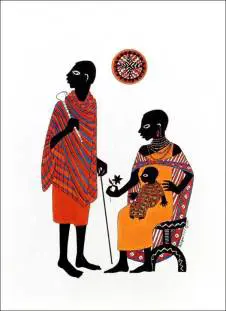 s something about the Christmas celebration – for many of us – that insists on it being the way we remember. It’s more than nostalgia, it’s what we value from our past. It is, however, misleading. The celebrations (worship and family and friends) and the meals (prawns, turkey, or toasted sandwich) are not Christmas, but a reflection of it.
Our worship is the same. The carols we inherit, the stories our grandparents read to us, the way we appropriate and decorate our tree, even the bible readings, are not the sum of Christmas, but a response to what God has done in Jesus Christ.
The child born in the Bethlehem outback can be comfort or challenge, can be wonder or fear. How do we know? Consider shepherds and magi, Mary and Joseph and Herod. The comfort of a song we have known since childhood can seem irreplaceable, but we may well need a new song as our world changes – and our lives with it. If Jesus only seems present in the way we have always known, or where we are comfortable, how will we discover him in a new circumstance?
Emmanuel, God with us, is the beginning and completion of our story, which is proclaimed in cathedrals and whispered in detention centres, and sung in Infant holy, infant lowly and Jingle, jingle, Jesus. Trying to shelter Jesus in tradition misses the reality of his exposure to all creation, for all creation.
God’s presence is acknowledged and celebrated across the world and throughout history not because of the right order of songs, or meals, or liturgy, but because God has, in Jesus Christ, made all things well.
Love is incarnate, the source of all being
cradled by Mary, yes, born on this earth;
looking she loves him, though strained and exhausted,
knowing her child is of infinite worth.
(© Andrew Pratt, 2005)