Flipping the Switch
Sometimes a story becomes one which we know almost too well. It’s “ubiquitous”, which means it’s commonplace, seen all around, so that we become accustomed to its presence and the story can begin to lose its power. When one person helps another, she is a good Samaritan; there are Good Samaritan bins…
Sometimes a story becomes one which we know almost too well. It’s “ubiquitous”, which means it’s commonplace, seen all around, so that we become accustomed to its presence and the story can begin to lose its power.
When one person helps another, she is a good Samaritan; there are Good Samaritan bins across the nation in which we can place our second-hand clothing or toys; the abbreviation “Samaritan” has come to mean a kind, or generous person. This most famous of Jesus’ parables appears to fit comfortably in our cultural pockets.
How did that happ en? How did a story which was both radical and offensive to those first listeners have its edges blunted? How did we co-opt a tale designed to confront us into a story of good behaviour? “Christian children all should be mild, obedient, good as he.”
It’s hard to read Jesus’ story without the airbrush effect, but try it. Look at the lawyer’s original question, and then his second. Eternal life? Neighbour? Then look at Jesus’ last question, and see how he turned the inquiry on its head. Who was the neighbour to the mugging victim?
By flipping the switch, Jesus takes the story to our fears and prejudice. Can our enemy be our neighbour? Can the stranger? Can the one of whom we are fearful care for us – even more than we require?
This is not – first – about caring for our neighbour, it’s about believing that the one we do not know or, do not trust, can care for us. They might be terrorists, or bludgers, or wanting our jobs, or jumping the queue, or believing in a different God, or attracted to someone of the same gender … this original story of Jesus is as uncomfortable as that.
In our world, where news travels in a heartbeat, fear accompanies it for no extra charge. Can God be present in the stranger; can we see Christ’s face in the one we least expect?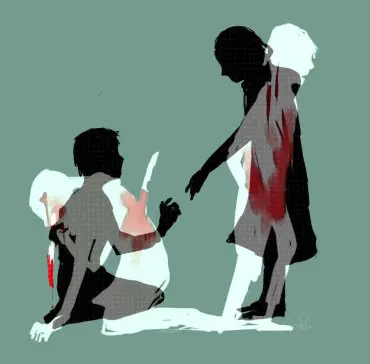
It seems normal to read this story as the one who serves and saves. What if we read the story as the one who suffers? God comes when we least expect – even though the heart of all the Gospel is precisely that. God comes as infant when we expect a monarch; God dies as victim when we demand a warrior; God rises as hope when we expect despair.
God comes as stranger when we are sure we know just what and how and where God will be God. And thank God for that.