Hearing Tests
At the core of our discipleship is the desire to hear God’s voice. This week the Lectionary has served us up three diverse accounts of how God speaks to, in and through us. Listening has become a very different objective in our age of constant “transmission”, where being in silence is almost…
At the core of our discipleship is the desire to hear God’s voice. This week the Lectionary has served us up three diverse accounts of how God speaks to, in and through us.
Listening has become a very different objective in our age of constant “transmission”, where being in silence is almost impossible, particularly if you live in a metropolitan area. Listening in our day and age means to wash out all the other sounds and attend to the one that is most important. Listening is discerning which voice is the one we want to hear.
Much of our listeni ng has become passive; there is the constant background sound of traffic or people, or the act of flicking on our IPod, or the constant noise of a device when we are at home or work
Despite its conflagration, to encounter the voice of God starkly as Moses does on Mount Horeb [Exodus 3] would at least leave little room for doubt. In the comparative silence of an open paddock, the inflamed scrub had little competition.
Have there been moments when God has spoken as clearly to you?
Have there been opportunities for God to speak?
Have you had time for silence and decided to fill it with other sound?
When Peter confronts Jesus In Matthew 16, he has heard the voice of God; he just doesn’t like what’s been said. Hearing is more than a simple function of audiology (although James might technically disagree …); hearing is also attending to what has been said.
Jesus has just told them what his future looks like: journeying, suffering, dying and rising. And for Peter, that’s too hard, or just wrong. Underneath, Peter realises what this story means for a disciple and Jesus immediately proves him right; the way of Jesus means all of us carry our cross.
When you hear God ask hard, seemingly impossible things, what do you do?
When God speaks into the middle of your life – not the silence, but the everyday – is it easier just to ignore it and carry on?
When you heard God speak totally outside your expectations, what do you do?
In Romans 12, Paul offers the disciples a challenging checklist of faith; he has invited them to more th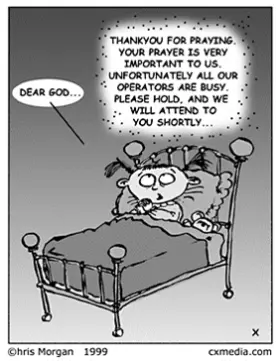 an obedience – it is transformation. The call is to live radically and consistently. There is something inherent here – it is that Christ has shown us how to live and that when we live this way, we are hearing God’s voice continually.
Do you remember that famous call from Micah? “He has shown you, mortal, what is good… love justice, do mercy, walk humbly…”
Now Paul reinforces the exhortation – can you hear the voice of God? We need to listen for God’s voice and, on occasion, we need to sit and wait upon the Lord. At other times, we listen to what Christ has already said to us, and get on with it.
Have there been times when we have heard the voice of God and waited for a second opinion?
As we listen for God’s voice in our own lives, in our own faith community and in our wider community, let us never forget the many ways in which God addresses us. Let us rejoice that in the noisiest of times, God still speaks; in the silence, we can attend to the whisper and song of God’s Spirit; when we are not sure where to turn, we can turn to the promises already set down, to the word spoken, received and passed on.
If you have ears, then listen!