In Frightened Times
On Monday night, on the ABC programme Q&A, one of the speakers – an expert in counter terrorism – referred to terrorism and counter-terrorism as “theatre”. Unsurprisingly, the Government and Opposition panellists disagreed. This was in response to the polemic released this week by the “Islamic…
On Monday night, on the ABC programme Q&A, one of the speakers – an expert in counter terrorism – referred to terrorism and counter-terrorism as “theatre”. Unsurprisingly, the Government and Opposition panellists disagreed. This was in response to the polemic released this week by the “Islamic State” movement, encouraging harm against many nations and their citizens, including Australia.
Theatre is not always play-acting; the depths of Lear’s grief and despair echo in many of our own lives, while the pomp and pageantry of a royal wedding seem to engage many people far beyond the exchange of the vows. The obscene theatre of the twin towers attack and the demonic imagery of the Bali bombing will be with most of us forever and have far more impact than the events themselves.
The image shapes the spectator in ways for which we are unprepared.
Consider how we have changed since we first watched the towers fall. Many of us are less certain of our safety, especially if we look to air travel. We have been encouraged, even urged, to distrust our neighbours, particularly if they behave – or appear – in a manner we find inappropriate. We use mo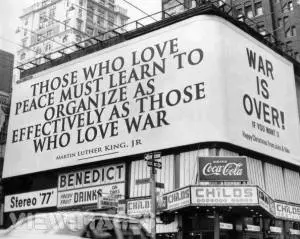 re and more partisan language, like the latest manifestation “Team Australia”, so that we know who the goodies and baddies are. (If you imagine that “Team Australia” is inoffensive, ask someone who is not anglo-celtic in appearance, or whose first language is not English).
Fear is a marketable commodity, something the empires of history have always known, embodied in the Roman eagle, the swastika, or the stars and stripes. One of the ways in which this fear works is to believe ourselves powerless in the face of what is happening, or to resort to behaviour which mirrors those we fear. We can punish harder than they can hurt us.
As disciples of Jesus, we need to place our hope elsewhere.
As disciples of Jesus, we look to the theatre of the cross. This is where we find God’s answer to those who destroy, who sow terror in our lives, who wish to shape our lives through despair.
Those communities who recorded the New Testament understood the fear of those who could harm them. The small seedlings of the early Church knew the threat of those who sought their injury.
How shall we live, here in Tamworth or, indeed, anywhere else? We will invite our friends to share with us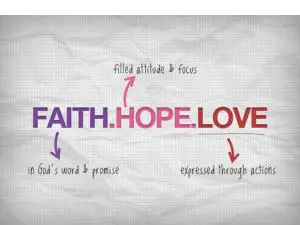 .
We will invite new friends – Jews and Greeks, slaves and free, male and female, Moslem and Hindu, faithful and not – to share our lives. We will share our homes and faith, our hopes and fears, and find our way together. We cannot allow the terrorists, or our national leadership, to believe that fear and violence are the answers to fear and violence.
We are people of the resurrection. The cross and the empty tomb are always the answer to the iron fist of Rome, of every empire and of everyone who aspires to empire. The love, forgiveness, reconciliation, justice and community of the early Church must also be our hallmarks.
In this frightened time, let us fix our hope on the one in whom all fear is answered and all hope is found, the crucified and risen Christ.