Peace, Forgiveness & Doubt
We have begun to move on from the chaos of the resurrection – angels rolling stones back and forward, disciples running hither and yon and Jesus mistaken for the gardener. The sudden appearance of the risen Jesus that night, despite locked doors and fear, has Jesus offering the two gifts most needed…
We have begun to move on from the chaos of the resurrection – angels rolling stones back and forward, disciples running hither and yon and Jesus mistaken for the gardener. The sudden appearance of the risen Jesus that night, despite locked doors and fear, has Jesus offering the two gifts most needed for the fractured group: peace and forgiveness.
These gifts are administered by breath and blessing, as the Holy Spirit is offered without hesitation. The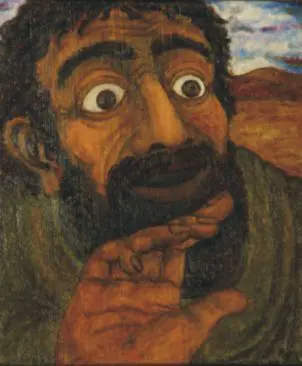 same group which had denied and deserted are blessed into new ministry and hope.
The dodgy image we accord to Thomas is entirely undeserved, unless we understand it as reflexive behaviour; we can see ourselves behaving exactly the same way. Thomas’ doubt and fear are ours: would God behave like this?
Can God do this?
I have had conversations where people tell me how they are frightened of dying, of death. Is it possible that we might be fearful of life, of resurrection? What does it mean if God can change the rules so completely – if the most certain thing we know is not certain? In the face of the world that Thomas knew, resurrection was to hope beyond reality, beyond reason. And thus, he needed to encounter the crucified, risen Christ.
Which brings me to the events around us this week. As the communities in Leeton and suburban Melbourne come to terms with their particular tragedies, it becomes easier to doubt that hope is real, that resurrection happens.
I am not asking why bad things happen, because I know that they always have. Our world is no more cruel at this moment than it was when Jesus was crucified.
The challenge of Easter, of our discipleship, is to believe in resurrection. Accepting the wonder of the act in Jesus Christ is to believe that it has echoes now, that resurrection affects us here, transforms everything.
To accept that means to live our lives according to that reality, to live as though resurrection happens; not only in terms of Jesus’ body raised from death, but the reality of hope, of forgiveness, of peace. It’s the belief that our doubts are addressed by God in Jesus Christ.
When we doubt, we find it hard to acce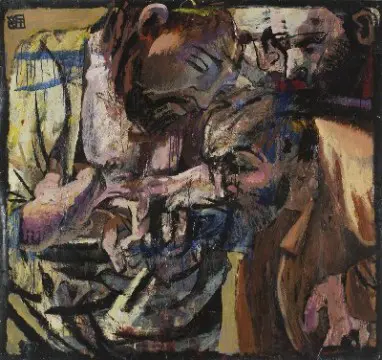 pt resurrection; when it seems almost impossible to believe, God hears us, and answers us.
Thomas’ concerns two millennia past are our concerns now. What can we offer to those families and communities in their grief?
The scars borne by the risen Jesus bear witness to the death he died. The body of the risen Christ does not dismiss the agony of the crucifixion. Our struggles, our injustices, our griefs, matter – not only to us, but to God.
Sometimes, the only recourse for our hope is the eternal promise of God; that in God’s time all will be set to rights, that God’s justice will prevail over all creation.
But as we wait – and watch – for justice and hope here, we turn to the Easter story, that Jesus, crucified AND risen is our only hope. God will comfort those who grieve, and we will echo that comfort in our own acts. There is life in forgiveness, and we can offer God’s forgiveness in our own hands. There is peace, not just the silence of gunfire, or arguments stifled, but the peace which creates and recreates.
And we will still doubt, because we are confronted by the brokenness of our world and of ourselves. God will answer. God will forgive. God will heal and bring justice.
This is the Easter story – not left with Thomas and his mates, but inherited by us and lived out in us.