Where We Begin
As I was driving into work, the news commentary was on the radicalisation of young people into Islamic extremism. A young solicitor argued her case from the perspective that laws are necessary, but are hardly the best place to begin when we are dealing with disenfranchised and disillusioned young…
As I was driving into work, the news commentary was on the radicalisation of young people into Islamic extremism. A young solicitor argued her case from the perspective that laws are necessary, but are hardly the best place to begin when we are dealing with disenfranchised and disillusioned young people. Her passionate, eloquent argument was that punishment and reprisals are not effective when people have no sense of belonging or hope.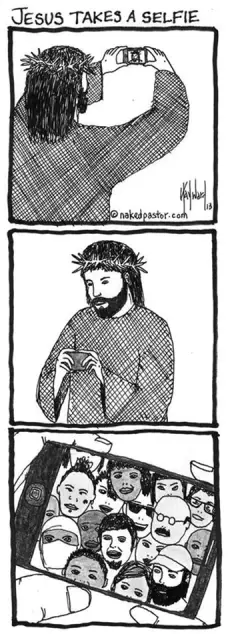
When we, as disciples of Jesus, are confronted by the issues of our lives and community, what is our starting point?
With due regard to Julie Andrews, let me adapt, “When you read, you begin with ABC, the Gospel begins within John 3.”
For God so loved the world that he gave his one and only Son,
that whoever believes in him shall not perish but have eternal life.
For God did not send his Son into the world to condemn the world,
but to save the world through him.
This is where we commence when we talk about radicalisation, about injustice in our communities and our homes, about how we understand the death penalty. This is our beginning.
We don’t start with law, or with punishment; at some point there may be place for restraint, or an action of justice to redress injustice, but not at the beginning.
When the author of John’s Gospel talks about darkness and light, and the exposure of those who love darkness, he begins with the loving act of God into the world – to save.
When we want to condemn those “outside” our community, our congregation, or our understanding, remember that God loved “the world” and not only our friends, our Church, or even Christians alone.
When we hear talk of self-interest, or of punishment and revenge, the Gospel reminds us that God’s act was to give his one and only Son, not to demand obeisance, or threaten retribution. Even in the face of what is vastly unjust – in our families, in our world, or observed online – the act of God in Jesus reminds us first of God’s determination that none should perish.
As we address those acts which deny hope, which punish innocents, which extinguish life, we need to bring justice. That justice begins with the justice offered first to us in Jesus, a God who acts to restore and bring life.
Sometimes that will appear beyond our grasp. Sometimes we will be too hurt or despairing to act that way. Sometimes the grace of God will need to rest within God’s hands alone, because our hands are too small to hold it. And that will have to do.
And, as Jesus tells Nicodemus, that is sufficient – God’s grace always is.
As we confront the world in which we live and move, let us first recall the one in whom we have our being.
These are not simple words to read, or to write. But in the walk of discipleship, in the steps of Jesus, it is where we begin, and where we find our completion.